How to Support Someone With an Invisible Illness
She reaches for the kettle and a hand gets there first. "Sit down, I'll do it — you need to rest." It is said with complete love, and yet her smile tightens, because making tea was one of the few things today's energy allowed, and now even that has been taken over. Anyone who cares for a person with an invisible illness — chronic fatigue syndrome, fibromyalgia, serious hearing loss or any of the conditions that never show on the outside — will recognise the dilemma. Help too little and they struggle alone; help too much and you quietly shrink their world. Getting the balance right is a skill, and it can be learned.
Believe them first, always
Everything rests on belief. A person whose pain or exhaustion cannot be seen spends a dispiriting amount of life being doubted by strangers, employers and sometimes doctors, so the one thing home must never do is join in. Believe them on the bad days, and resist the temptation to audit the good ones — "but you managed the garden yesterday" is arithmetic, not care. Invisible conditions fluctuate, often wildly, and yesterday's capability says nothing about today's. Being the one person who never requires proof is the single greatest support you can offer, and it costs nothing but humility.
Ask, don't assume
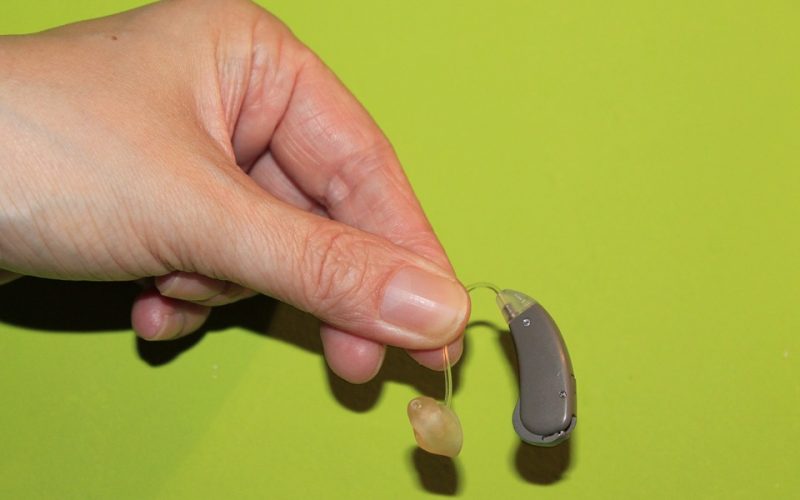
The kettle mistake comes from assuming you know what is needed. The remedy is disarmingly simple: ask. "What would help most today?" respects both the illness and the adult living with it, and the answer will change — some days it is taking over the shopping, other days it is simply company, and some days it is being left alone to manage. The same applies to communication with hearing loss: rather than shouting, over-enunciating or speaking to their companion instead, ask what actually works, whether that is facing them clearly, moving somewhere quieter or using text. Assumed help serves the helper's anxiety; requested help serves the person.
Support the person, not just the patient
An illness can quietly swallow an identity when every conversation begins with symptoms. The friend who still talks about football, books and family gossip gives something medicine cannot: continuity with the person they have always been. Keep extending invitations even after a string of cancellations, making clear that a last-minute no is always acceptable — being asked is itself a form of inclusion, and the day the invitations stop is the day isolation truly begins. Plan flexibly, choose venues with seating or quiet corners, and treat a cancelled evening as postponed rather than failed.
Help quietly, and let dignity lead
The best practical support rarely announces itself. Meals that appear in the freezer, a lift offered as though it were on your way anyway, tasks absorbed without ceremony — these preserve dignity in a way that visible sacrifice never does. Avoid hovering, and avoid the running commentary of concern that turns a home into a ward. The aim is for life to feel easier, not supervised. And when they attempt something ambitious, resist the urge to intercept; people with invisible illnesses are experts in their own limits, and occasionally overreaching is their right, just as it is anyone else's.
Look after yourself too
Sustainable support requires a supporter who is not running on fumes. Carers of people with chronic conditions carry their own quiet load — worry, extra work, sometimes grief for plans that had to change — and pretending otherwise usually ends in exhaustion or resentment. Keep your own friendships, interests and rest, be honest about what you can and cannot take on, and consider carer support groups, where the understanding you give at home is offered back to you. Caring for yourself is not a distraction from supporting them; it is what makes years of support possible.
Done well, support is almost invisible itself. It believes without being asked, helps without taking over and loves the person more loudly than it manages the patient. The measure of success is simple enough: their world should feel bigger because you are in it, never smaller.