The Daily Struggle
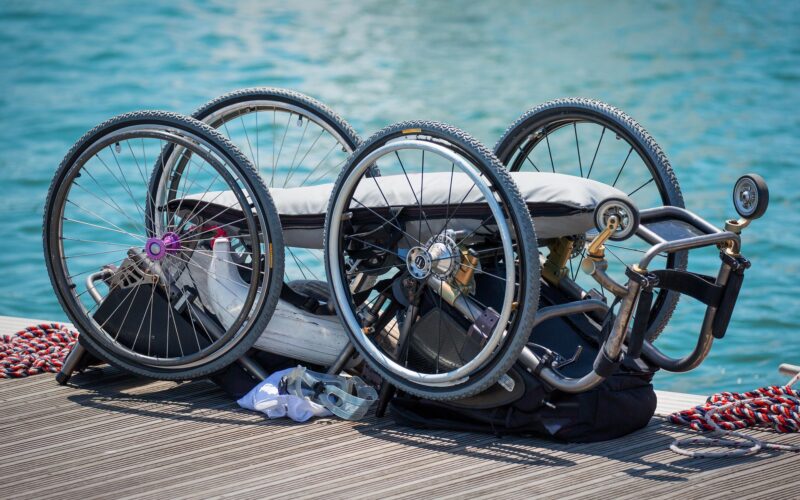
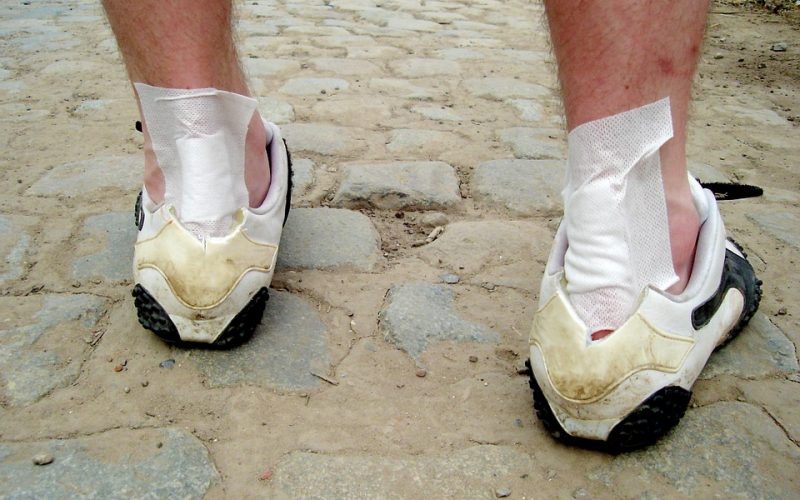
For many people, the morning routine is straightforward: get up, get dressed, head out the door. For those living with a disability, however, that same routine can involve careful planning, adaptive equipment, and a level of physical or mental effort that most people never have to consider. These challenges are not always visible, and that invisibility is part of what makes them so difficult to navigate.
Navigating a world not built for everyone
Public spaces, transport systems, and workplaces are still largely designed with able-bodied people in mind. A broken lift at a tube station, a website that is incompatible with screen readers, or a workplace that lacks quiet spaces for those with sensory sensitivities — these are not minor inconveniences. For disabled people, they can mean the difference between full participation in society and being shut out of it entirely.
The emotional weight of living with a disability
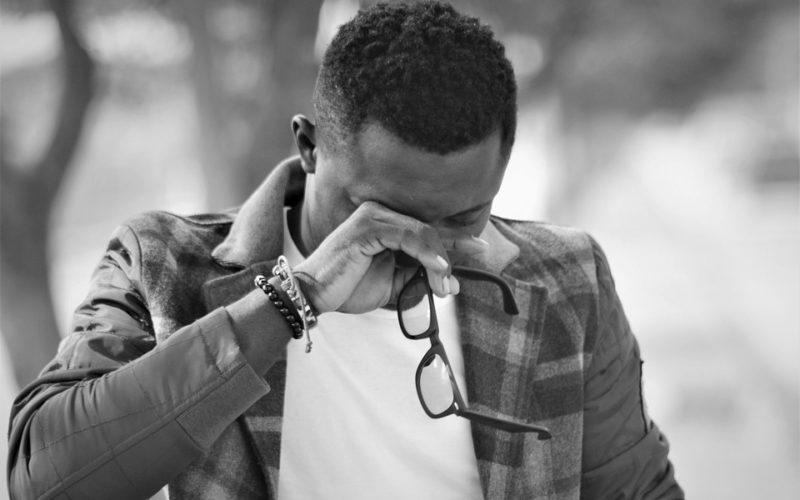
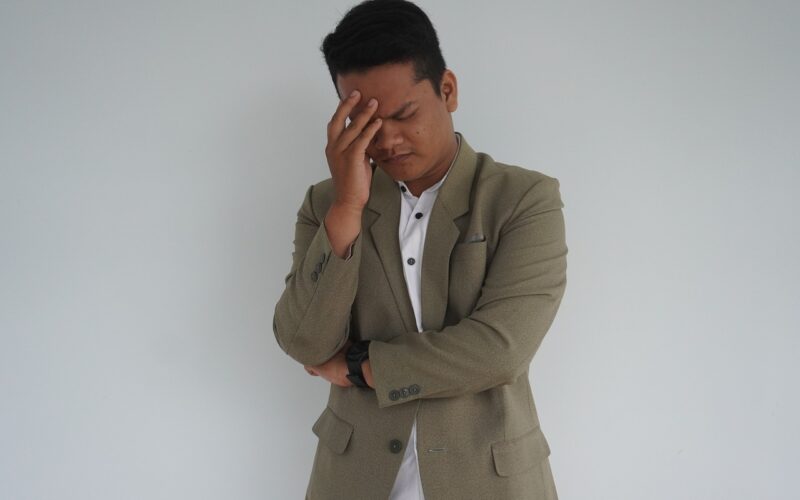
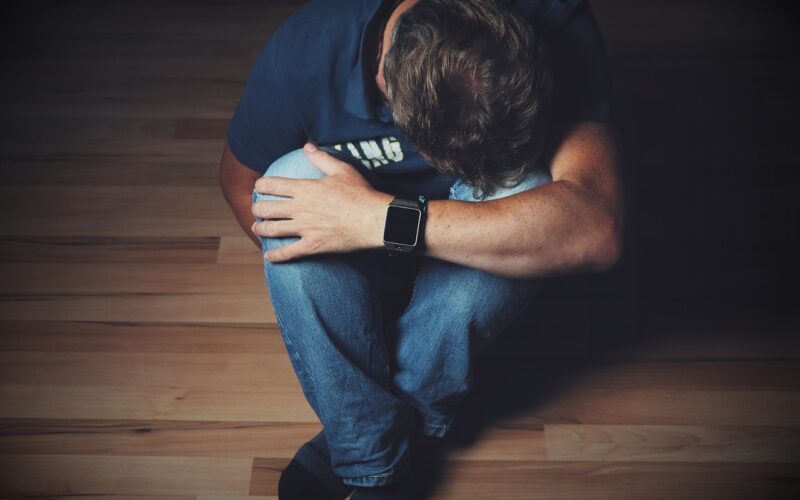
Beyond the physical barriers lies an emotional landscape that is rarely discussed openly. Many disabled people report feelings of frustration, grief, and isolation — not because of their condition itself, but because of the way society responds to it. Unsolicited advice, pitying looks, and low expectations from others can be exhausting. At the same time, the pressure to appear positive or "inspiring" at all times adds another layer of burden that is entirely unnecessary.
Redefining what triumph looks like
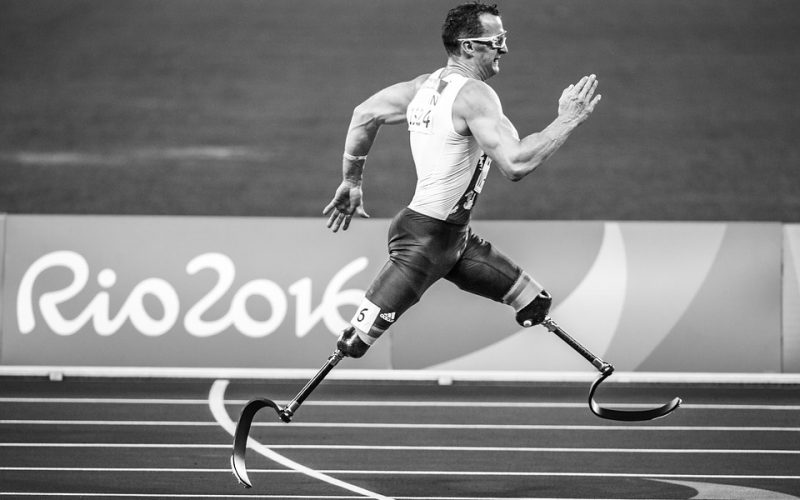
Triumph, for a disabled person, does not always look the way popular culture portrays it. It is not always an athlete crossing a finish line or someone "overcoming" their disability through sheer willpower. Sometimes, triumph is completing a difficult task on a hard pain day, successfully advocating for a workplace adjustment, or simply finding a new way to do something that works better for your body or mind. These moments matter, and they deserve recognition.
The role of community and support networks
One of the most powerful forces in the lives of many disabled people is community. Whether online or in person, connecting with others who share similar experiences can provide practical advice, emotional support, and a sense of belonging. Disability-led organisations and peer networks have long played a role in driving change — from accessibility legislation to shifting public attitudes — and continue to do so today.
What allies and society can do differently
Support from non-disabled people is most effective when it is led by listening. Rather than assuming what someone needs, asking directly and following their lead is a far more respectful approach. On a broader level, meaningful change requires disabled voices to be included in the design of policies, products, and public spaces — not as an afterthought, but from the very beginning. Accessibility is not a special feature; it is a basic standard.
A fuller picture
Living with a disability is neither a tragedy to be pitied nor an endless story of inspiration. It is a complex, varied human experience that includes difficulty and joy, frustration and pride, struggle and resilience. The more honestly and openly society engages with that reality, the closer we get to a world that works for everyone.