Understanding Hearing Loss And Its Impact
Hearing is one of our most vital connections to the world around us, anchoring us in our environments and facilitating the bonds we share with others. Yet, when this connection begins to fray, the consequences ripple far beyond simply needing to turn up the television volume. Hearing loss is frequently described as an "invisible disability" because its physical signs are non-existent, yet its impact on a person’s social and professional life can be stark and overwhelming.
It is a condition that requires not just medical attention, but deep empathy and understanding from both the individual experiencing it and their wider circle. This post aims to shed light on the multifaceted nature of hearing issues, exploring the mechanics of the condition while addressing the very real emotional and practical hurdles it presents in daily life.
What Is Hearing Loss?
To truly grasp the magnitude of the challenge, we must first answer the fundamental question: what is hearing loss? It is far more complex than a simple reduction in volume; it is often a loss of clarity and fidelity. Medically, hearing loss generally falls into two categories: sensorineural and conductive. Sensorineural hearing loss is the most common permanent type, resulting from damage to the tiny, delicate hair cells within the cochlea (the inner ear) or the auditory nerve itself.
These hair cells are responsible for converting sound vibrations into electrical signals for the brain. When they are damaged—whether by ageing (presbycusis), prolonged exposure to loud noise, or genetic factors—they cannot regenerate. This damage typically affects high-frequency sounds first, meaning speech often sounds muffled, and consonants like 's', 'f', and 't' disappear, making conversation difficult to decipher.
Conductive hearing loss, conversely, involves a blockage or problem in the outer or middle ear, such as wax build-up or infection, which prevents sound from travelling efficiently. Understanding these mechanisms is the first step in demystifying the condition and realising that telling someone to "listen harder" is as ineffective as telling someone with poor eyesight to "look harder".
The Social Ripple Effect
The social impact of hearing loss is often where the emotional toll is heaviest. Human interaction relies heavily on the nuances of conversation—tone, timing, and quick-fire exchanges.
When hearing is compromised, these interactions become laborious. Individuals may find themselves constantly asking friends to repeat themselves, leading to frustration on both sides. This often results in a phenomenon known as "social withdrawal" or isolation. A person might decline invitations to dinner parties, restaurants, or family gatherings because the background noise makes participation impossible and the effort to keep up is exhausting.
This isolation can be subtle at first—staying home "just this once"—but can quickly become a pattern that severs vital connections. The inability to hear clearly can lead to misunderstandings that damage relationships; a partner might feel ignored, or a friend might perceive the individual as aloof or uninterested. Over time, this disconnection can contribute to significant mental health challenges, including anxiety and depression, as the world seems to shrink around the individual.
Navigating Professional Challenges
In the professional sphere, the stakes are equally high. The modern workplace is rarely an acoustic haven; open-plan offices, echoing conference rooms, and poor audio quality on video calls create a minefield for those with auditory deficits.
For a professional, missing a key instruction in a meeting or mishearing a client's request can have serious consequences for their reputation and confidence. There is also the issue of "listening fatigue". While a person with typical hearing processes sound passively, someone with hearing loss must dedicate immense cognitive resources to lip-reading, filling in the gaps of missed words, and filtering out background noise.
By 2 pm, they may be as mentally exhausted as their colleagues are at 5 pm. Furthermore, there is often a fear of stigma—a concern that admitting to hearing loss will be viewed as a sign of incompetence or ageing, potentially hindering career progression. This fear can lead employees to hide their struggles, causing stress and preventing them from asking for the reasonable adjustments that could help them thrive.
Coping With Hearing Loss
Coping with hearing loss is a journey that is as much psychological as it is practical. It often begins with a period of grief. Losing one’s hearing represents a loss of ease, a loss of the natural connection to music, nature, and loved ones. It is normal to experience stages of denial ("everyone else is mumbling"), anger, and sadness before reaching acceptance. Coping effectively requires self-compassion and a shift in perspective.
It involves recognising that hearing loss is a medical condition, not a personal failure. One of the most powerful coping mechanisms is self-advocacy. This means gaining the confidence to tell others what you need to communicate effectively. It might involve asking for a quiet table at a restaurant, requesting meeting agendas in advance, or simply reminding a colleague to face you when speaking.
Building a support network is also crucial; connecting with others who share similar experiences can validate feelings and provide practical tips for navigating difficult situations, reminding the individual that they are not navigating this path alone.
Managing Hearing Loss
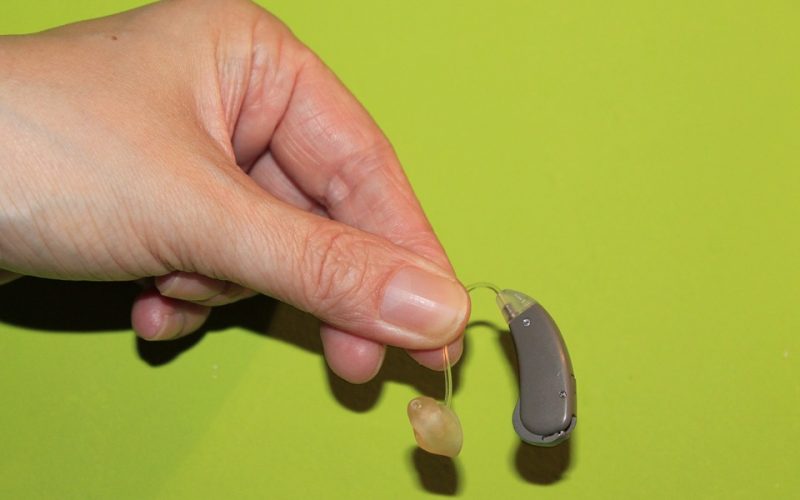
Once acceptance is reached, the focus shifts to managing hearing loss through technology and strategy. We live in a golden age of audiological advancement, where management strategies are more effective than ever. Hearing aids are the primary tool for most, and modern devices are marvels of engineering. They are discreet, often invisible, and possess powerful processors capable of distinguishing speech from noise.
They can stream audio directly from smartphones and televisions, effectively turning the hearing aid into a personalised headset. For more profound losses, cochlear implants offer a direct link to the auditory nerve, bypassing damaged parts of the ear entirely. Beyond medical devices, management includes the use of Assistive Listening Devices (ALDs) like amplified telephones, vibrating alert systems, and loop systems in public buildings. However, technology is only half the battle.
Successful management also involves communication strategies, such as positioning oneself to see the speaker's face (to utilise lip-reading cues) and manipulating the environment to reduce competing noise.
The Path Forward
Understanding hearing loss and its impact is about recognising that while the condition alters how a person experiences the world, it does not diminish their ability to contribute to it. The barriers created by hearing loss—social isolation, professional anxiety, and communication breakdown—are significant, but they are not insurmountable.
Through early detection, the adoption of advanced hearing technology, and the cultivation of patience and empathy from society at large, individuals with hearing loss can continue to lead rich, fulfilling lives. It is a shared responsibility: individuals must be proactive in seeking help and managing their health, while employers, friends, and family must strive to create inclusive environments where communication is accessible to all. By bringing this invisible disability into the light, we can ensure that no one is left in silence.